
CRACKSTREAMS: What is Traveling in Basketball? Your Ultimate Guide

Follow basketball live today on CrackStreams. Discover available live streams, real-time basketball scores, upcoming matches and game results.
CRACKSTREAMS: What is Traveling in Basketball? Your Ultimate Guide
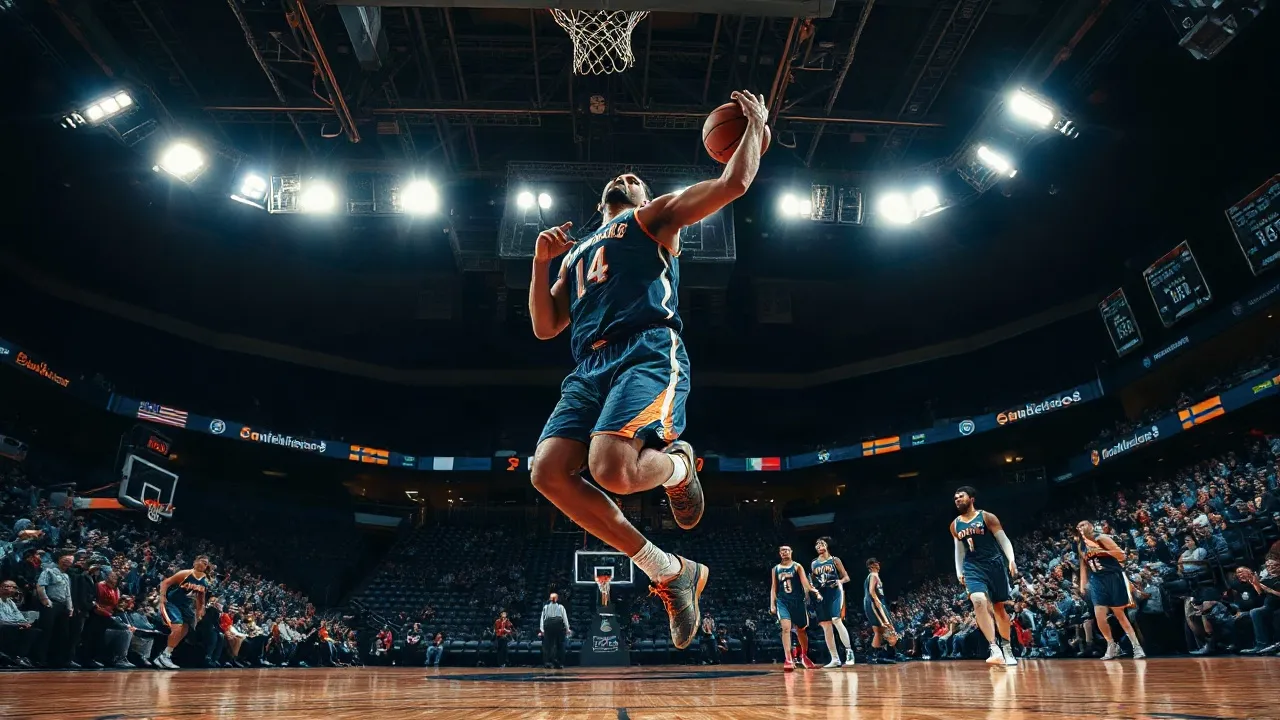
In basketball, a 'travel' or traveling violation occurs when a player holding the ball moves their feet illegally. This usually means taking too many steps without dribbling or losing control of the ball while moving. It's one of the most common infractions you'll see on the court, and understanding it is key to appreciating the flow of the game.
What Exactly is Traveling?
At its core, traveling is about a player moving their feet while in possession of the ball in a way that's not permitted by the rules. When a player picks up their dribble, they are only allowed a limited number of steps before they must pass, shoot, or start a new dribble (which is rarely called). Think of it as the game's way of ensuring the ball is advanced through passing and dribbling, not just by carrying it around. Here on CRACKSTREAMS, we see this happen in fast-paced games all the time, and knowing the rule helps you enjoy every moment.
How Many Steps Can You Take? The 'Gather Step' Explained
This is where it gets a bit nuanced, and it's a common point of confusion. Generally, once a player has established control of the ball (meaning they've picked up their dribble or caught a pass), they are allowed two steps. However, the modern interpretation often includes a "gather step." This is the step a player takes as they are picking up their dribble or receiving the ball. So, in practice, a player might take a gather step, and then two more steps before shooting or passing. Referees look for players taking three or more steps *after* the gather, or taking too many steps before they've even fully secured the ball.
Common Traveling Scenarios to Watch For
You'll see traveling called in various situations during a game. One of the most frequent is the "jump stop" gone wrong, where a player lands with both feet simultaneously, picks up the ball, and then tries to take another step. Another common one is the "pivot foot" violation. Once a player establishes a pivot foot (the foot they keep planted while the other moves), they cannot lift and replant that pivot foot before releasing the ball. This often happens when a player is trying to spin past a defender or create space. Also, be mindful of players who catch the ball while moving and take too many steps before dribbling. While it might look like they're just running with the ball, it's a violation!
The 'Gather Step' and Player Movement
The gather step is crucial for players making moves to the basket or trying to evade defenders. It's that initial step taken as the player transitions from dribbling to holding the ball, or as they receive a pass while on the move. The key is that the gather step is considered part of the process of gaining possession. After the gather, the player is then allowed their two additional steps. This rule allows for more dynamic offensive plays, but it also means players have to be precise with their footwork to avoid being called for traveling.
What Happens When Traveling is Called?
When a referee spots a traveling violation, they blow the whistle, stop play, and signal the infraction. The opposing team is then awarded possession of the ball. The ball is typically inbounded from the nearest sideline or baseline, depending on where the violation occurred. It's a turnover, plain and simple, and can be a momentum killer for the team committing the violation and a great opportunity for the other team to score.
How Referees Call Traveling
Calling traveling requires a keen eye from the referees. They are watching the player's feet from the moment they gain possession of the ball. They need to distinguish between legal steps taken while dribbling, the gather step, and the subsequent two steps. They also monitor the pivot foot carefully. Different referees might have slightly different interpretations, especially with the nuances of the gather step, but the core principle remains: illegal movement of the feet while holding the ball leads to a violation. Observing how the referees manage the game helps you understand the rhythm and flow, much like understanding how to clean basketballs properly helps maintain the equipment for optimal play.
Tips for Understanding Traveling on CRACKSTREAMS
When you're watching live basketball action here on CRACKSTREAMS, pay close attention to the player with the ball. Watch their feet as they transition from dribbling to holding the ball. Count their steps. See if they lift and replant their pivot foot. You'll start to get a feel for what looks legal and what looks like a travel. Understanding this rule will definitely enhance your viewing experience and your appreciation for the skills of the players.
Sources
- FIBA (International Basketball Federation) - Official Basketball Rules
- NBA (National Basketball Association) - Rulebook Explanations
- Philippine Basketball Association (PBA) - Rule Interpretations
Frequently Asked Questions
What exactly is a travel in basketball?
In basketball, a travel or traveling violation happens when a player holding the ball moves their feet illegally, usually by taking too many steps without dribbling. It's one of the most common violations you'll see during a game here on CRACKSTREAMS.
How many steps can a player take before dribbling in basketball?
Generally, a player can take two steps after picking up their dribble or receiving a pass before they must dribble again, shoot, or pass. The 'gather step' is often considered part of the process, making it a bit tricky to count precisely.
What are some common ways players get called for traveling?
Common traveling scenarios include taking too many steps after a crossover dribble, lifting your pivot foot before starting a dribble, or taking too many steps when receiving a pass. The 'jump stop' can also lead to a travel if not executed properly.
What happens when a traveling violation is called?
When a travel is called, the play stops immediately, and the ball is turned over to the opposing team for a throw-in. It's a simple but crucial rule to remember when you're watching the action unfold.
How do referees decide if a player traveled?
Referees watch closely for illegal foot movement after a player gains possession of the ball. They look for too many steps, improper pivot foot usage, or starting a dribble after the steps have already been taken.